
June 4 ,2025
Since Russia’s invasion of Ukraine began on February 24, 2022, the conflict has evolved into a complex and dynamic struggle, with Ukraine increasingly taking the fight to Russian soil. Over the past year, Ukraine has intensified its cross-border operations, launching audacious drone strikes, sabotage missions, and incursions targeting Russian military, industrial, and energy infrastructure. These attacks have not only disrupted Russia’s war efforts but have also laid bare significant failures in Russian intelligence, undermining Moscow’s ability to anticipate, prevent, or effectively respond to Ukraine’s evolving tactics.
In early June 2025, Ukraine executed what President Volodymyr Zelenskyy described as the country’s largest long-range drone attack of the war, targeting strategic bomber aircraft at Russian air bases. Over 100 drones struck at least four air bases, with verified footage showing damage to aircraft at multiple locations. The operation utilized innovative tactics, such as concealing explosive-laden drones in wooden sheds near targets, demonstrating Ukraine’s ability to bypass Russian air defenses. Another significant strike in May 2025 targeted a factory in Bolkhov, Oryol Oblast, producing electronics for the Russian military, including microchips and semiconductors. Russian authorities claimed to have downed 127 drones across six regions, but damage to critical infrastructure was confirmed.
Ukraine’s intelligence services, particularly the Main Intelligence Directorate (GUR) and the Security Service of Ukraine (SBU), have acknowledged orchestrating some of these attacks, while others have been attributed to anti-war activists or Russian emigrant paramilitary units supported by Ukraine. Cross-border shelling, missile strikes, and covert raids have also targeted border regions like Belgorod, Kursk, and Bryansk, with paramilitary incursions capturing villages and engaging Russian forces. A notable example is the April 2024 drone attack on the Yelabuga drone factory and the Tatneft oil refinery in Nizhnekamsk, which caused significant damage despite Russian denials.
These operations have had measurable impacts. A Ukrainian drone strike in May 2025 severely damaged a facility producing power sources for 90% of Russian missiles and glide bombs, critical components of Russia’s arsenal. Similarly, attacks on oil refineries, such as the KINEF facility in Leningrad Oblast, have disrupted Russia’s energy sector, with falling debris sparking fires and economic strain. By targeting ammunition depots, airfields, and production facilities, Ukraine has sought to weaken Russia’s logistical and operational capabilities, forcing Moscow to divert resources to homeland defense.
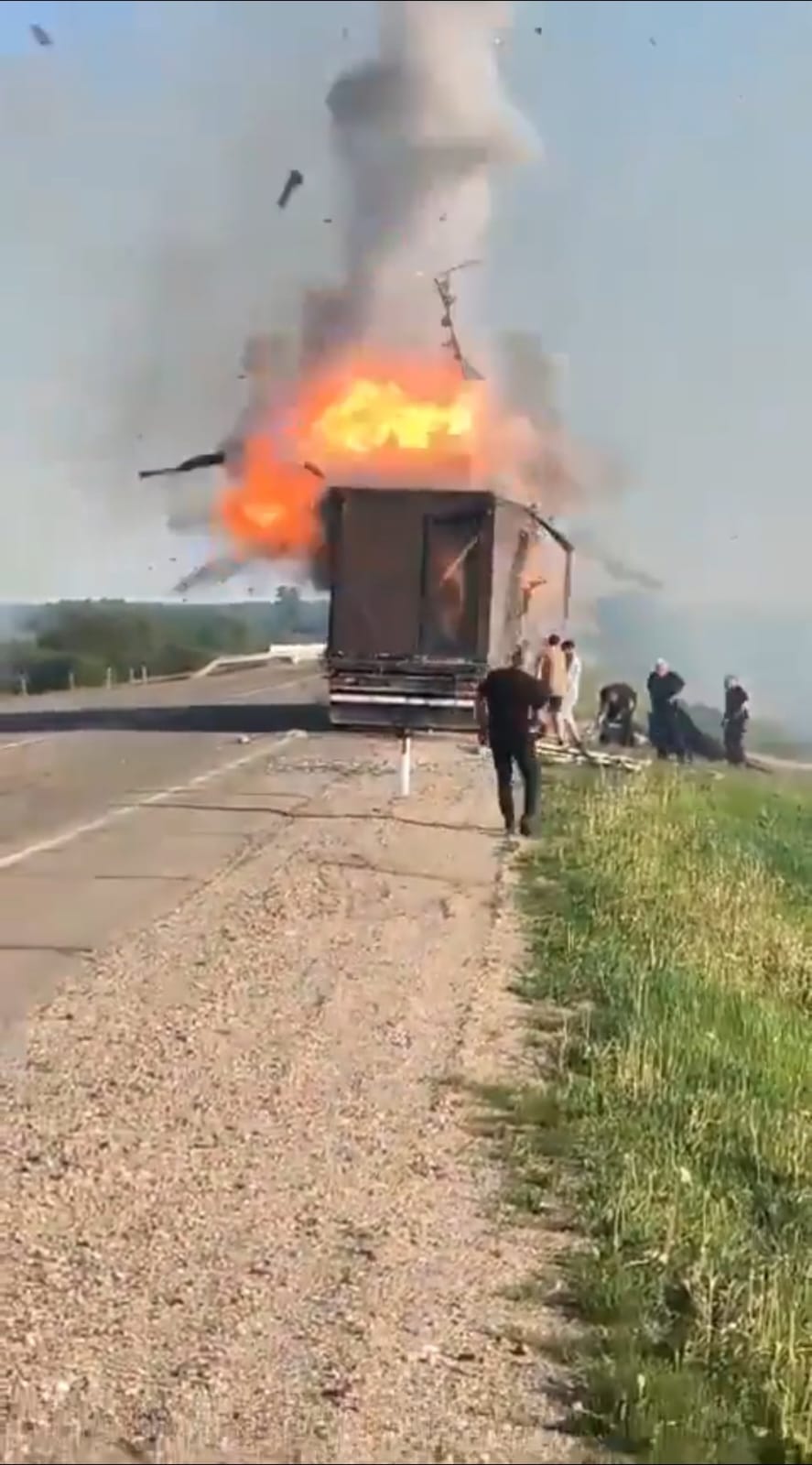
Watch the Video Here: