

17th Nov 2025
By A K Srikumar
‘Baba’ is an omnibus term for most Indians. It could refer to the Lord of Kashi
(Varanasi), Baba Vishwanath, or a newborn. The appellation is also used reverentially for sages
and seers. One such ‘Baba’ is Baba Jaswant; but he was neither a savant nor rishi. You only have
to travel from Tezpur in Assam to Tawang (Arunachal Pradesh, India’s ‘Land of the Rising
Sun’).
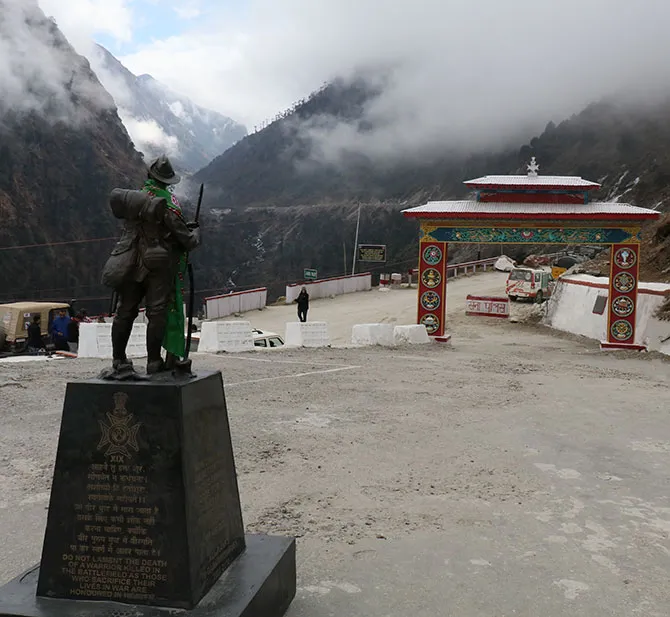
On that high mountain road is a memorial to Rifleman Jaswant Singh Rawat, MVC, of 4
Garhwal Rifles. The Gompa-like cenotaph at Nuranang (now Jaswantgarh) honours ‘Baba’
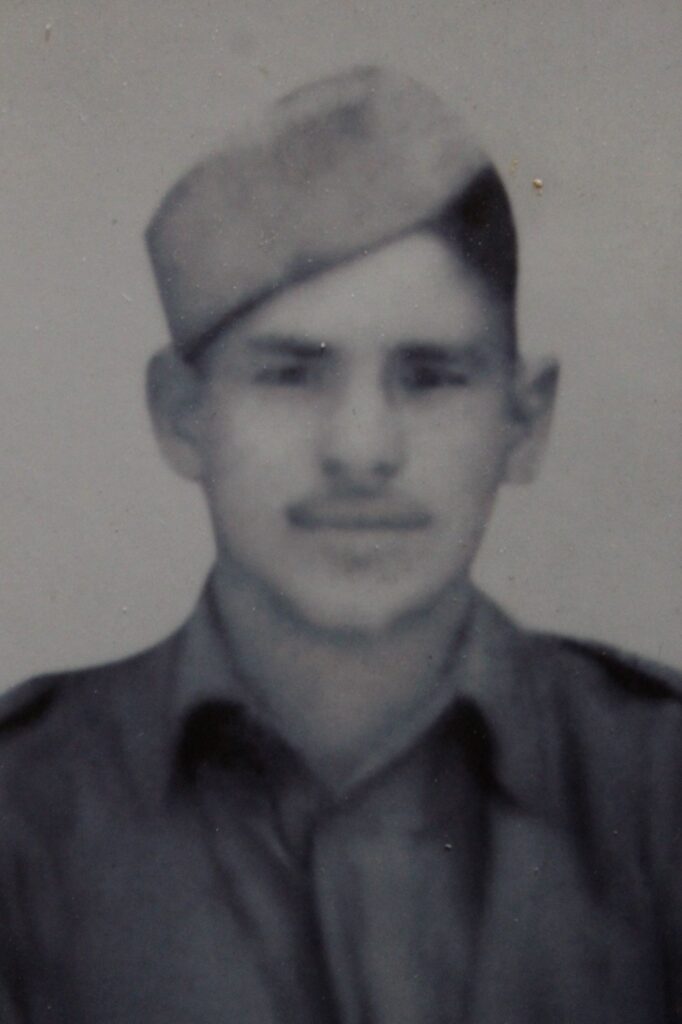
Jaswant’s sacrifice on 17 th November 1962. At the Battle of Nuranang, this Indian soldier is said
to have held off the rampaging Chinese army for 72 hours. What is less known is the role of two
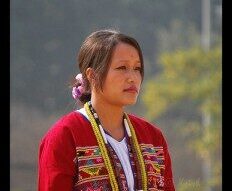
Monpa sisters, Nura and Sela. Local legend claims that both girls loved Jaswant and helped fight
the Chinese. Sadly, this stirring episode hardly finds mention in Indian literature or cinema,
except for a recent Hindi movie (“72 Hours”) and the novel “Mahaveer”. Coincidentally, both
works released in 2019-20 (although the movie isn’t based on the book).
Here’s an extract from the novel:
“Come back, Jas… want!” he heard the Subedar’s voice, almost drowned in the gunfire,
“You can still make it back… hurry!”
Suddenly Sela’s kind, pretty face rose before his mind’s eye, and Jaswant jumped to his
feet with a bellow of “Jai Badri Vishaal! Bharat Mata ki Jai!” He was facing the MMG position
now, directly in its line of fire. Miraculously, its bullets appeared to fly past him. Almost in a
dream, his teeth ripped the pins out of the grenades, one by one, and his arms swept in arcs as
the egg-shaped messengers of death flew unerringly toward their target.
Then a terrible blow slammed into his head and he fell. Even as his body crumpled,
Jaswant heard two muffled ‘bangs’, then a third, earth-shattering explosion. He did not see the
MMG being catapulted out of the bunker, followed by the dismembered bodies of the men inside.
From: “Mahaveer: The Soldier Who Never Died” by Rupa Srikumar & A K Srikumar;
Publication: Rupa Publications India